
Gypsum Powder
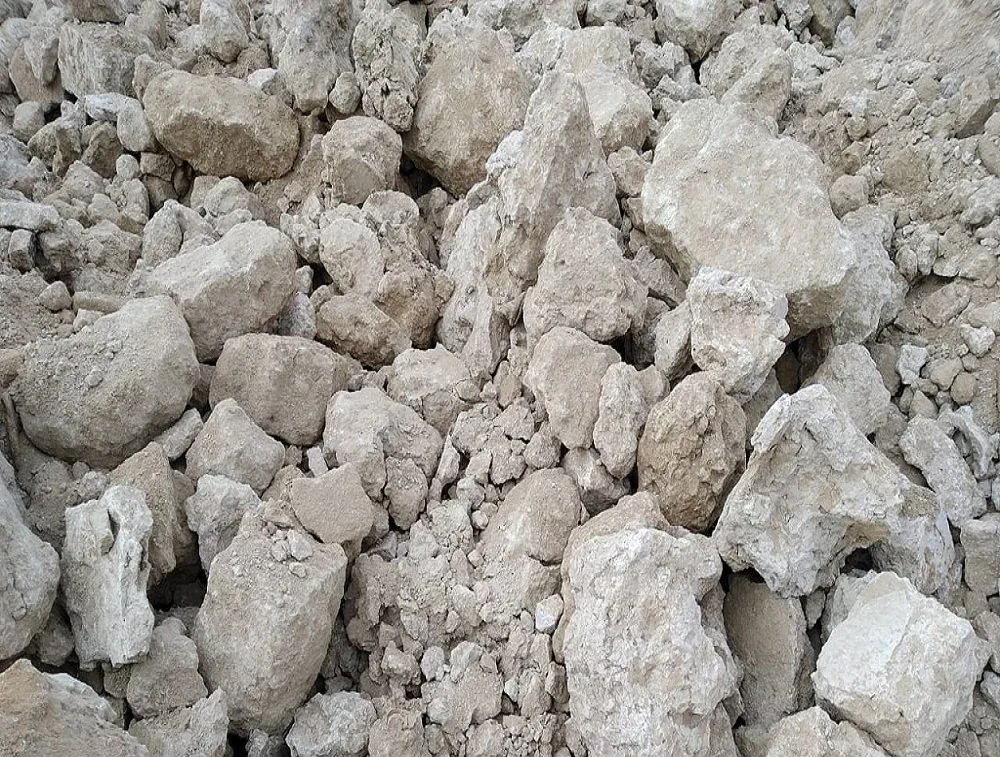

Construction & Building Materials Industry
The construction industry uses gypsum powder primarily for interior wall finishing, decorative ceilings, and architectural moldings. It is the main ingredient in Plaster of Paris (POP) and gypsum plaster, which provide smooth, crack-resistant, and fire-retardant surfaces. Gypsum boards or drywalls are also widely used in modern building systems for quick, dust-free partitioning.
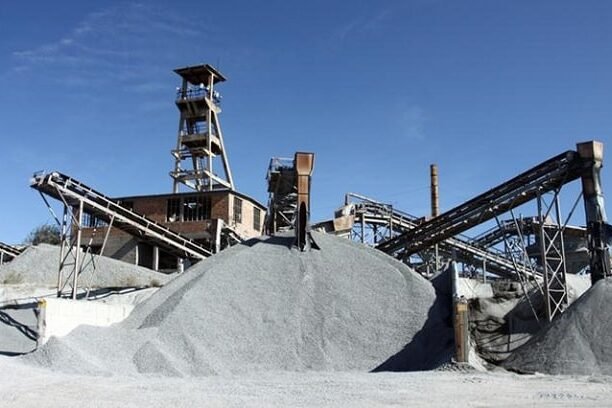
Cement Industry
In cement manufacturing, gypsum plays a critical role as a setting time regulator. Without gypsum, Ordinary Portland Cement (OPC) would set almost immediately after adding water. A small percentage of gypsum (typically 3–5%) is blended with clinker during the final grinding process. This ensures workability and strength development in concrete and mortar applications.

Agriculture Industry
Gypsum powder acts as a soil conditioner and nutrient source in agriculture. It helps reclaim alkaline or sodic soils by replacing excess sodium with calcium, improving soil structure, permeability, and water absorption. Additionally, it supplies essential nutrients like calcium and sulfur, which are vital for plant health and growth, especially in sulfur-deficient regions.

Ceramic & Sanitaryware Industry
In the ceramics industry, gypsum is widely used for mold preparation, especially in the production of sanitaryware like basins, toilets, and tiles. It enables the casting of fine, accurate, and reusable molds due to its smooth texture, fast setting, and ability to absorb water from slip mixtures. This ensures consistent shape and strength in ceramic products.
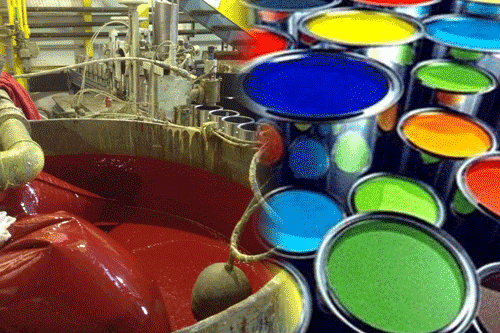
Paints & Coatings Industry
Gypsum powder is used as an extender and filler in the paint and coatings industry. It enhances the coverage, smoothness, and brightness of paints while controlling viscosity and reducing production costs. It also improves adhesion and surface finish, making it suitable for primers, distempers, and decorative coatings.

Medical & Dental Industry
In the medical field, gypsum is used to prepare orthopedic casts, surgical molds, and dental impressions due to its non-toxic nature, fast setting, and excellent moldability. It is also used in the production of blackboard chalks and educational models. Its safe chemical properties make it ideal for direct contact with skin and dental structures.
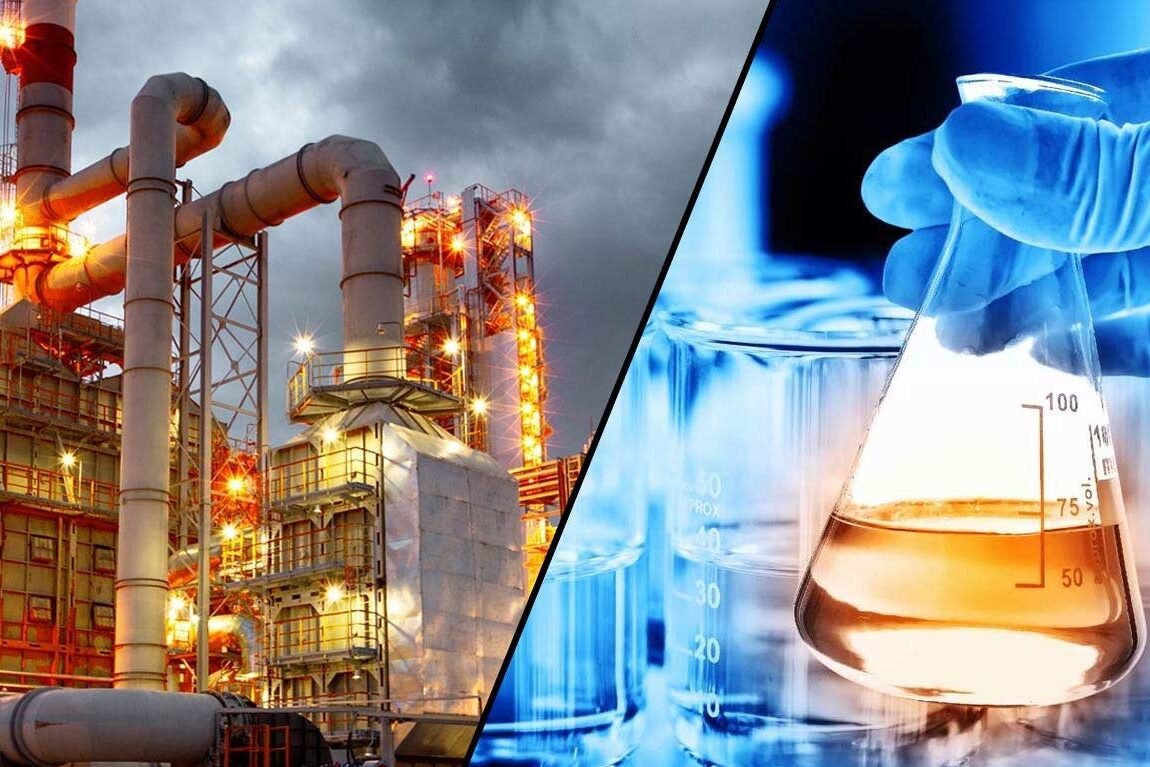
Chemical & Industrial Processing Industry
Gypsum powder serves various roles in industrial and chemical processes. It is used in the production of ammonium sulfate fertilizers, as a neutralizing agent in chemical labs, and in manufacturing various plaster-based formulations. Its chemical reactivity and high calcium content make it a useful base material in many specialized applications.

Educational & Training Use
Gypsum powder is used in making blackboard chalks, anatomical models, and teaching aids. Its ease of molding, quick setting, and safe handling make it ideal for educational environments. It's also used in art schools and training centers for sculpting and casting demonstrations.