
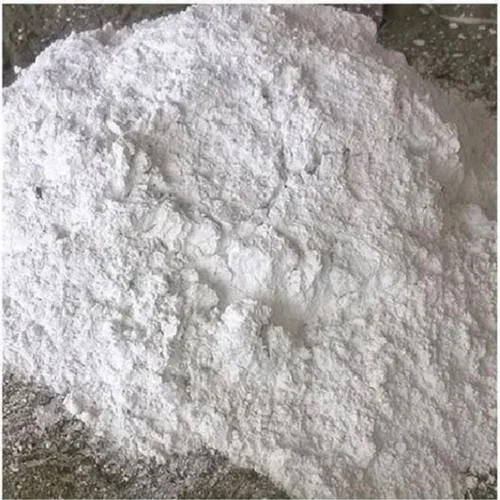
Quick Lime Powder
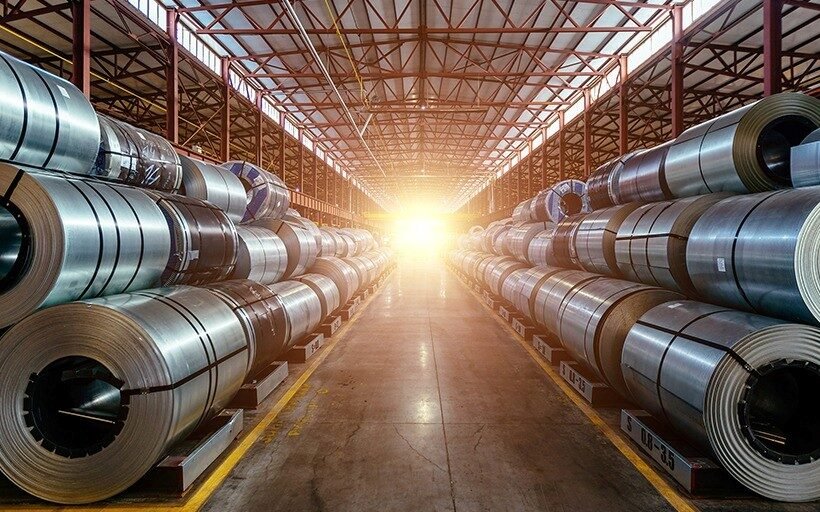
Steel & Metallurgical Industry
Quick Lime plays a vital role in steel and iron manufacturing. It is used as a fluxing material to remove impurities like sulfur, phosphorus, silica, and alumina from molten metal during smelting. It forms a protective slag layer that separates these impurities from the metal. Its high-temperature reactivity also helps reduce energy consumption and improve overall metallurgical performance.
➡ Used in: Steel furnaces, sintering plants, blast furnaces.

Construction & Infrastructure
Quick Lime is extensively used for soil stabilization in road construction and embankments. It reacts with the moisture in clayey soil to reduce plasticity and improve load-bearing strength. It’s also used to manufacture lime-based mortars, whitewash, fly ash bricks, AAC blocks, and cement. Quick Lime improves the durability, waterproofing, and binding ability of construction materials.
➡ Used in: Roads, bridges, concrete blocks, lime mortars.
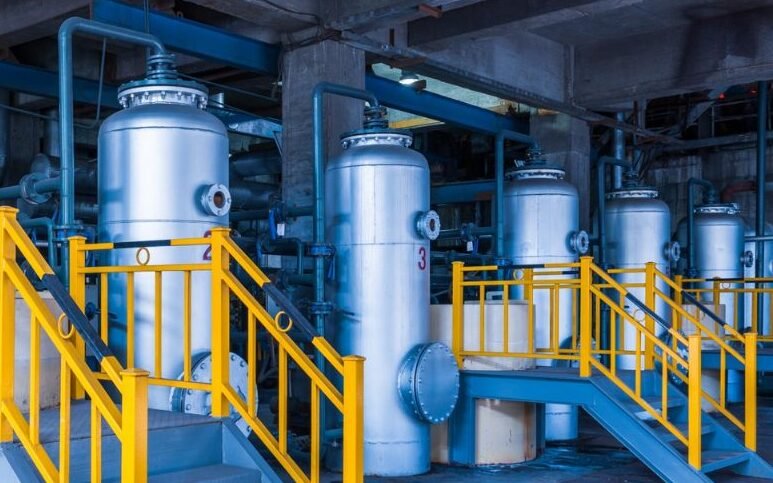
Water Treatment & Wastewater Management
Quick Lime is a key material in municipal and industrial water purification systems. It helps in adjusting pH, neutralizing acidic waste streams, and precipitating heavy metals, phosphates, and organic matter. Its high reactivity makes it effective in sludge conditioning and odor control in wastewater plants.
➡ Used in: Water treatment plants, sewage treatment facilities, effluent neutralization systems.

Agriculture & Poultry Farms
Agriculture & Poultry Farms
Quick Lime is used to correct soil acidity, increase calcium levels, and reduce harmful pathogens in agricultural land. It also acts as a natural disinfectant in poultry sheds and compost pits, helping to control bacteria, foul smell, and fly infestation. It is also used in composting to accelerate decomposition.
➡ Used in: Soil treatment, poultry bedding sanitization, composting.
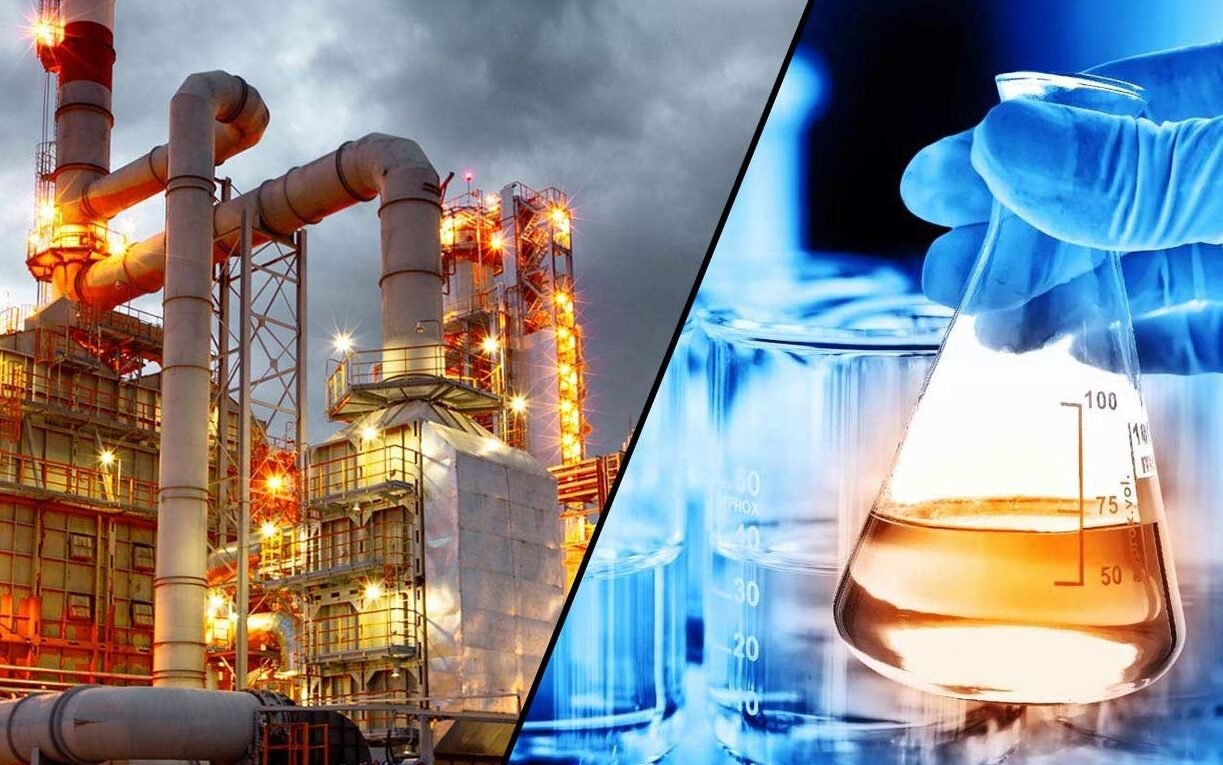
Chemical Industry
Quick Lime is a fundamental chemical compound used as a reactant, catalyst, or precursor in many industrial processes. Its high purity and caustic nature make it an essential raw material in the inorganic chemical sector.
Used to manufacture:
- Calcium hydroxide (slaked lime)
- Calcium carbide (used to produce acetylene gas)
- Bleaching powder (for sanitization)
- Sodium carbonate (via the soda lime method)
Pulp, Paper & Sugar Industry
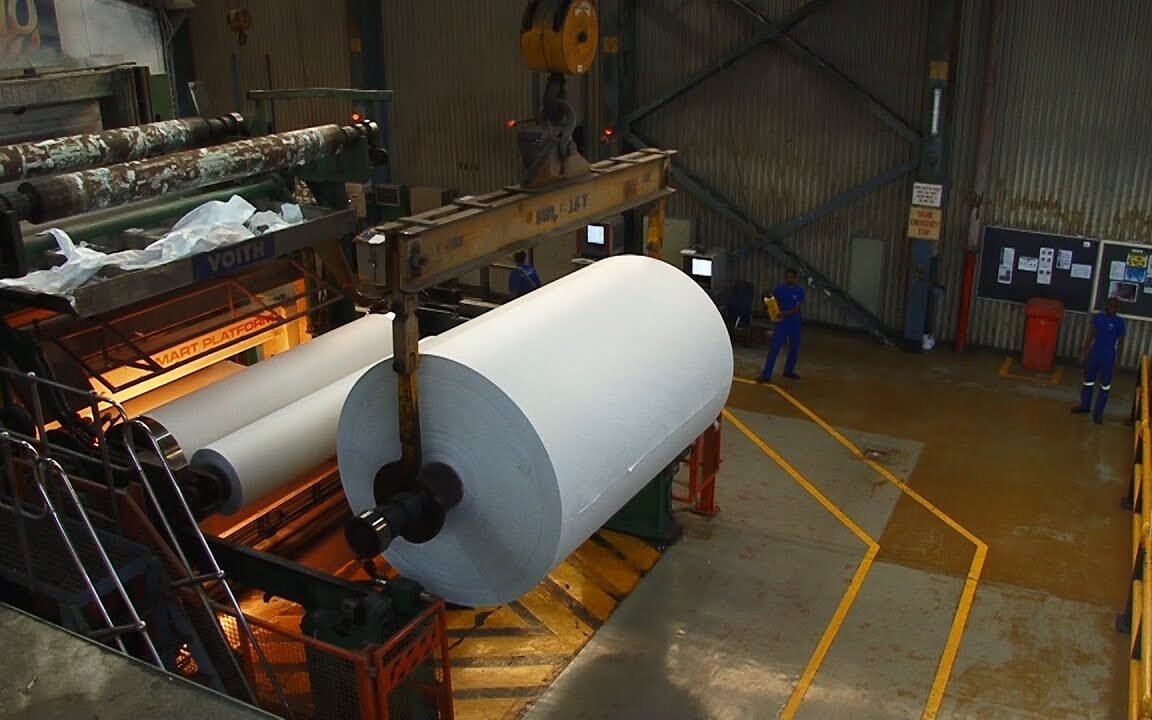
In the paper and pulp industry, Quick Lime is used during the causticizing process where sodium carbonate is converted to sodium hydroxide. It also helps in de-inking recycled paper. In sugar mills, Quick Lime is used to purify sugarcane juice by removing impurities and aiding in the clarification process, ensuring better sugar recovery. ➡ Used in: Sugar clarification tanks, paper mill causticizers.

Environmental Applications
Quick Lime is used for flue gas treatment, especially for removing SO₂ (sulfur dioxide) from emissions in thermal power plants and cement kilns. It helps neutralize acidic gases and hazardous pollutants, making it a crucial component in air pollution control systems. ➡ Used in: Air pollution control units, gas scrubbers, incinerators.