
Silica Sand

Construction & Civil Engineering
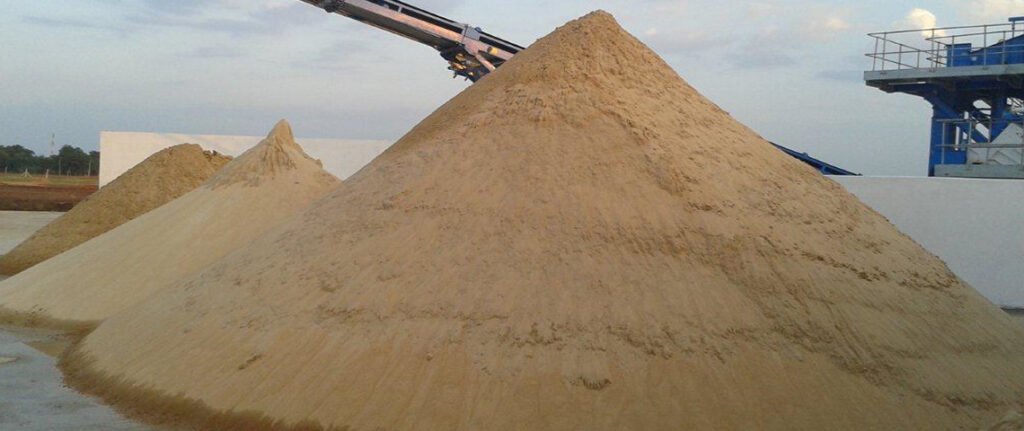
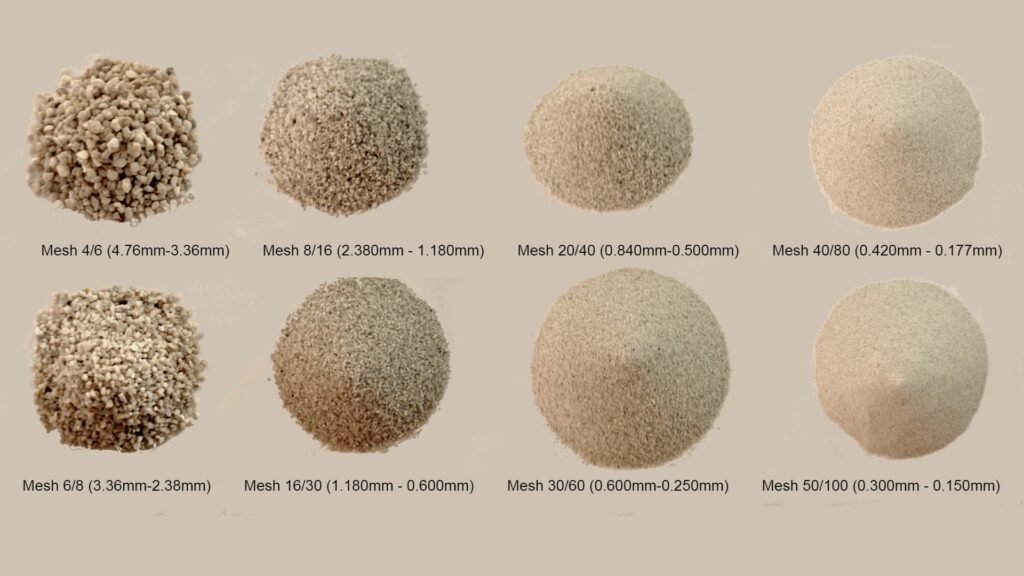
Silica Sand is widely used as a structural component in concrete, cement, mortar, plaster, and paving materials. It enhances the compressive strength, volume stability, and durability of construction materials. It is also used as leveling sand in tile installation, interlocking block laying, and as a base layer for roads and foundations. In its unwashed form, it is often used in brick kilns and raw concrete mixes.

Glass Manufacturing Industry
High-purity washed Silica Sand is a critical raw material in the glass industry, where it is melted along with soda ash and limestone to produce clear, colored, and specialty glasses. Its high SiO₂ content and minimal impurities like iron oxide are essential for producing transparent and defect-free flat glass, container glass (bottles, jars), solar glass, and even optical fiber glass. Any impurity affects clarity and strength, hence only washed silica is used here.

Foundry & Metal Casting Industry
Silica Sand is the backbone of mold and core production in the foundry industry. It withstands high thermal loads, maintains mold integrity, and allows for precise casting shapes in iron, steel, aluminum, and brass casting. The sand provides a non-reactive, smooth, and thermally stable surface, essential for high-quality metal casting with minimal defects. Grains are often mixed with bentonite or resins for mold-binding.

Ceramics & Refractory Industry
Silica Sand is used in the production of ceramic tiles, sanitaryware, and fireclay products. It acts as a filler material that reduces shrinkage during firing and adds thermal shock resistance. In the refractory industry, it is used in the manufacture of bricks, kiln furniture, insulation boards, and foundry crucibles — providing heat resistance and structural stability at high temperatures.
Paints, Coatings & Construction Chemicals
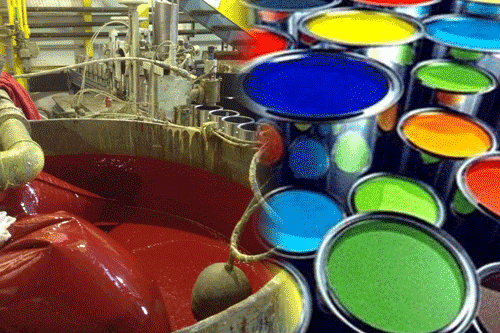
In coatings and textured paints, finely graded Silica Sand adds abrasion resistance, hardness, and anti-slip texture. It is also used in:
1.Epoxy flooring systems
2.Road marking paints
3.Protective industrial coatings
It improves film strength, bonding, and gives surface finishes better durability and resistance to wear and tear.
Water Filtration & Treatment
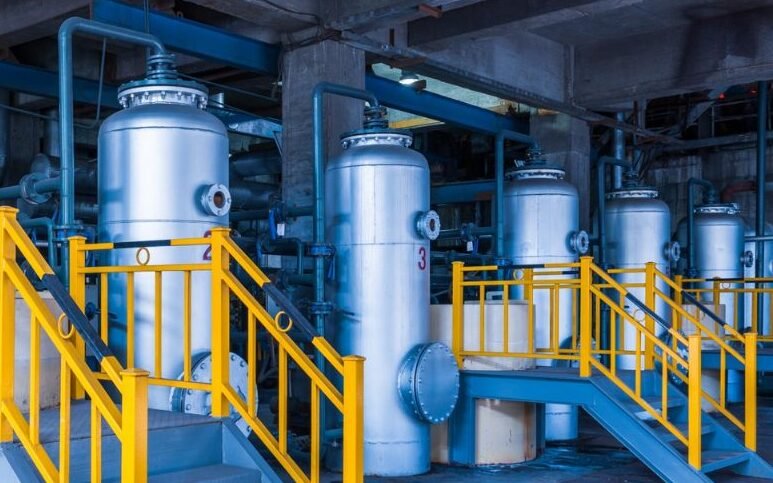
Washed Silica Sand is extensively used in water purification systems such as: 1.Drinking water plants 2.Wastewater treatment plants 3.Swimming pool filters Industrial filtration beds Its porosity and inertness make it ideal for removing turbidity, suspended particles, organic matter, and pathogens. Multiple sand grades are layered in filter beds for maximum efficiency and flow rate control.

Agriculture & Horticulture
In farming and gardening, coarse-grain Silica Sand is used to: Improve soil drainage and aeration Prevent soil compaction Enhance root penetration It is also blended into potting mixes, turf bases, and hydroponic media, especially in greenhouses, nurseries, and golf courses. Being inert and non-toxic, it does not interfere with plant nutrition.